



Your front door is your home's first line of defense. It protects your family, your belongings, and your peace of mind. But here's something many homeowners don't realize: even a locked door can fail if its weakest parts aren't properly reinforced.
When burglars attempt to break into a home, they rarely spend time picking locks like you see in movies. Instead, they look for weak spots they can exploit quickly. A few hard kicks, a crowbar, or a screwdriver may be all it takes to force open an unprotected door.
The good news is that most forced entries happen because of weaknesses that can be fixed. By understanding the weakest parts of a door and reinforcing them, you can make your home a much more difficult target for burglars.
In this guide, we'll explain the four weakest parts of a door, why criminals target them, and the best ways to strengthen your front door security with practical, affordable solutions.
Why Burglars Target Doors
When most people think about home security, they focus on alarm systems, cameras, or smart locks. While these are important, burglars often look for the fastest way inside, and that's usually through the front or back door.
The reason is simple.
Most residential doors are only as strong as the materials holding them together. A quality deadbolt won't do much good if the door frame splits apart after a few kicks.
Rather than attacking the lock itself, experienced burglars typically target the surrounding parts of the door because they're easier to break.
The most common weak points include:
The door frame (door jamb)
The lock area
The door hinges
The gap between the door and the frame, also known as the prying point
Strengthening these areas can dramatically improve your home's security and reduce the risk of a successful break-in.
1. The Door Frame (Door Jamb)
The door frame, also called the door jamb, is one of the weakest parts of most residential doors.
It's also one of the first places burglars attack.
When someone kicks a door, the force isn't usually strong enough to break the door itself. Instead, the wooden frame around the deadbolt often cracks or splits, allowing the door to swing open.
That's because many homes are built with:
Thin wooden door frames
Short installation screws
Standard strike plates
Minimal reinforcement
Unfortunately, even expensive locks can't protect your home if the frame holding them fails.
Why the Door Jamb Is So Vulnerable
Every time the deadbolt locks, it engages with the strike plate mounted on the door jamb. During a forced-entry attempt, all of the impact is transferred to this small section of wood.
Without proper reinforcement, the wood can splinter in seconds. That's why many home invasions happen so quickly.
How to Reinforce Your Door Frame
One of the most effective ways to improve front door security is by reinforcing the entire door jamb. Instead of replacing your entire door, homeowners can install a door reinforcement kit designed to strengthen the weakest points of the frame.
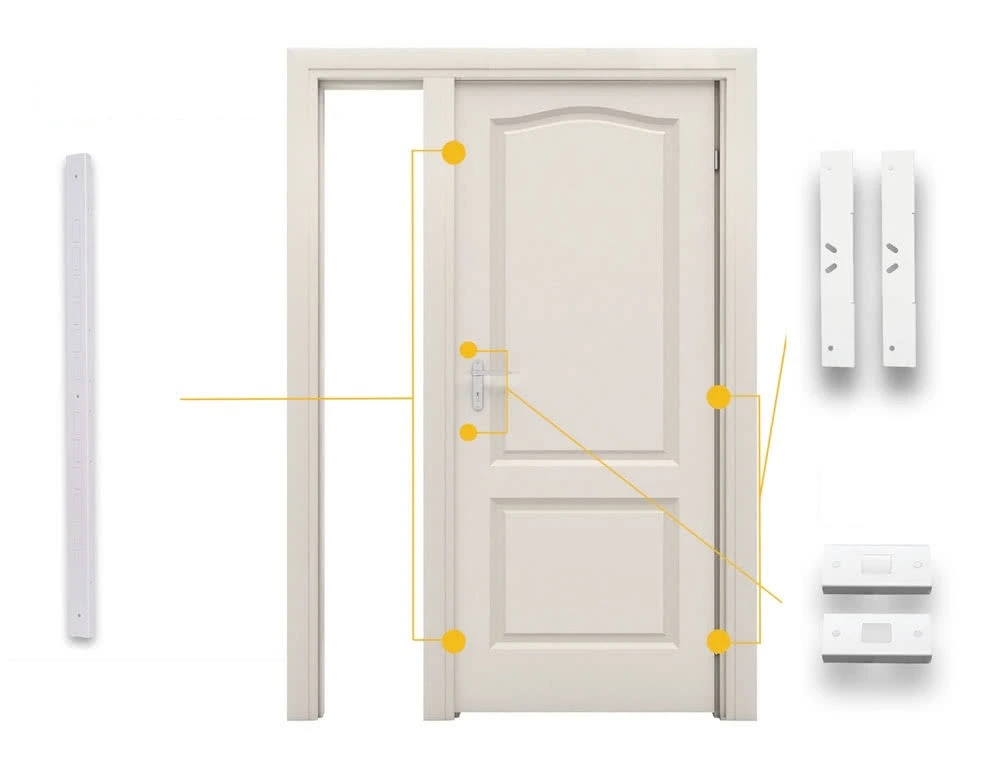
Door Armor Door Reinforcement Kits
Door Armor door reinforcement kits help strengthen the areas burglars attack most.
Available in both Door Armor MINI Plus and Door Armor MAX Plus, these kits reinforce:
The door jamb
The strike plate
The hinge side of the frame
High-impact stress points around the door
The result is a much stronger entry door that's better equipped to resist kick-ins and forced-entry attempts.
Unlike replacing your entire door, door reinforcement is an affordable upgrade that can often be installed in less than an hour.
For homeowners, it's one of the smartest investments you can make in home security.
2. The Lock Area
Many homeowners believe installing a stronger deadbolt automatically makes their home secure. While a quality deadbolt is important, it's only one part of the entire door system.
In reality, the lock area is another common weak point that burglars target during break-ins. The lock area includes:
The deadbolt
The strike plate
The surrounding section of the door frame
When an intruder kicks a door, they're not trying to break the lock. They're trying to tear the strike plate away from the frame.
If the strike plate is attached with short screws or mounted into weak wood, it can fail almost instantly.
Signs Your Lock Area Needs Reinforcement
Watch for these warning signs:
Loose strike plate
Deadbolt doesn't fully engage
Cracks around the lock area
Door shifts when locked
Short factory screws
Any of these issues can make your front door easier to force open.
How to Strengthen the Lock Area
Improving this section of the door doesn't have to be complicated. You can significantly improve door security by:
Replacing short screws with longer screws that anchor into the wall stud
Installing a reinforced strike plate
Upgrading to a quality deadbolt
Reinforcing the surrounding door frame
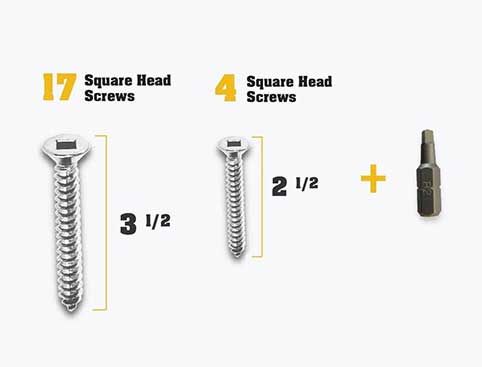
Door Armor reinforcement kits include heavy-duty steel components that strengthen the lock area while helping distribute impact across a much larger section of the frame.
Instead of allowing all the force to concentrate in one small area, the reinforcement spreads the impact, making it much more difficult for burglars to kick the door open.
For homeowners looking to prevent door kick-ins without replacing their entire entry door, reinforcing the lock area is one of the most effective security upgrades available.
3. Door Hinges
Door hinges may seem like small hardware, but they play a critical role in your home's security.
Every time you open or close your door, the hinges support its entire weight. Over time, they can become loose, worn, or damaged, creating another weak point that burglars may exploit.
For outward-swinging doors, exposed hinges can be particularly vulnerable if they aren't equipped with security features.
Why Door Hinges Matter
A strong lock won't do much good if the hinges fail. Loose or poorly secured hinges can allow the door to shift, making it easier to force open. In some cases, burglars may even attempt to remove the hinge pins to gain entry.
While this isn't the most common method of forced entry, it's a vulnerability that's easy to overlook.
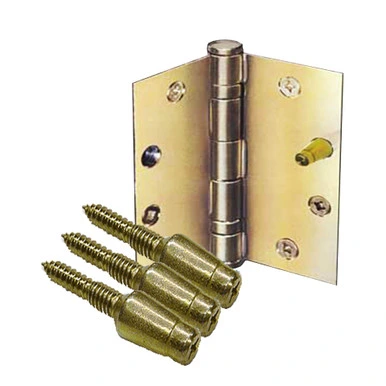
Signs Your Door Hinges Need Attention
Inspect your hinges regularly for signs of wear, including:
Loose screws
Rust or corrosion
Squeaking or sticking
Gaps between the door and frame
A door that no longer closes properly
These issues don't just affect security. They can also shorten the lifespan of your door.
How to Strengthen Your Door Hinges
Fortunately, reinforcing your hinges is simple. Start by tightening any loose screws and replacing short screws with longer ones that anchor into the wall stud.
For additional protection, install heavy-duty security hinges or use a hinge reinforcement product like the Door Armor Hinge Shield.
The Door Armor Hinge Shield reinforces one of the weakest areas of the door frame and helps resist the force generated during a kick-in attempt.
Combined with a reinforced door jamb, it creates a much stronger door system that's better equipped to withstand forced entry.
4. The Prying Point
Many homeowners have never heard of the prying point. Yet it's one of the most common areas burglars attack. The prying point is the small gap between the edge of the door and the door frame.
This gap allows the door to open and close smoothly, but it can also provide enough space for an intruder to insert a crowbar, pry bar, or large screwdriver.
Once the tool is in place, the burglar applies leverage to force the door away from the frame. If the frame isn't reinforced, it may crack or splinter, allowing the door to open.
Why Burglars Target the Prying Point
Prying attacks are often quieter than kicking a door. Instead of creating loud impacts, an intruder uses leverage to slowly separate the door from the frame.
Doors with larger gaps or aging wood are especially vulnerable.
How to Protect Against Prying
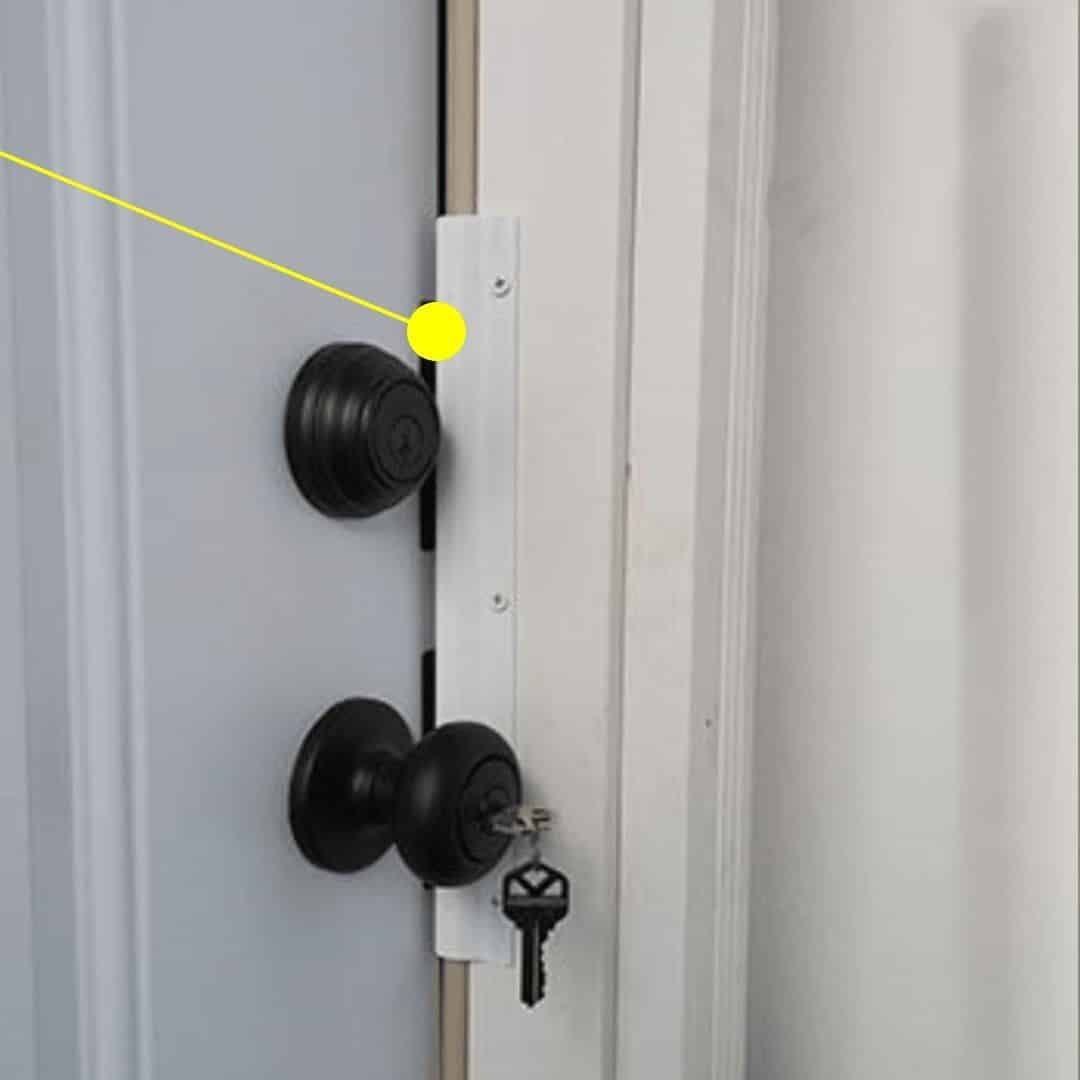
The best way to protect your door from prying is by reinforcing the edge of the door where prying tools are commonly inserted.
The Door Armor Pry Shield is specifically designed for this purpose.
It helps cover and reinforce the vulnerable gap between the door and frame, making it much more difficult for a burglar to insert a pry bar or similar tool.
When combined with reinforced hinges and a strengthened door jamb, the Pry Shield creates another barrier that slows down or discourages forced-entry attempts.
Bonus Weak Point: Glass Near Your Entry Door
Even if your door is fully reinforced, burglars may simply choose another route. Many homes have glass panels beside the front door, decorative sidelights, or nearby windows that provide easy access to the lock from the inside.
Sliding glass patio doors are another common target because they often feature large glass panels and weaker locking systems.
Why Glass Is a Security Risk
Standard residential glass breaks relatively easily. Once broken, a burglar may be able to:
Reach inside and unlock the door
Climb through the opening
Gain entry without attacking the door itself
Ground-floor windows and patio doors are especially vulnerable because they're often hidden from street view.
How to Protect Glass Entry Points
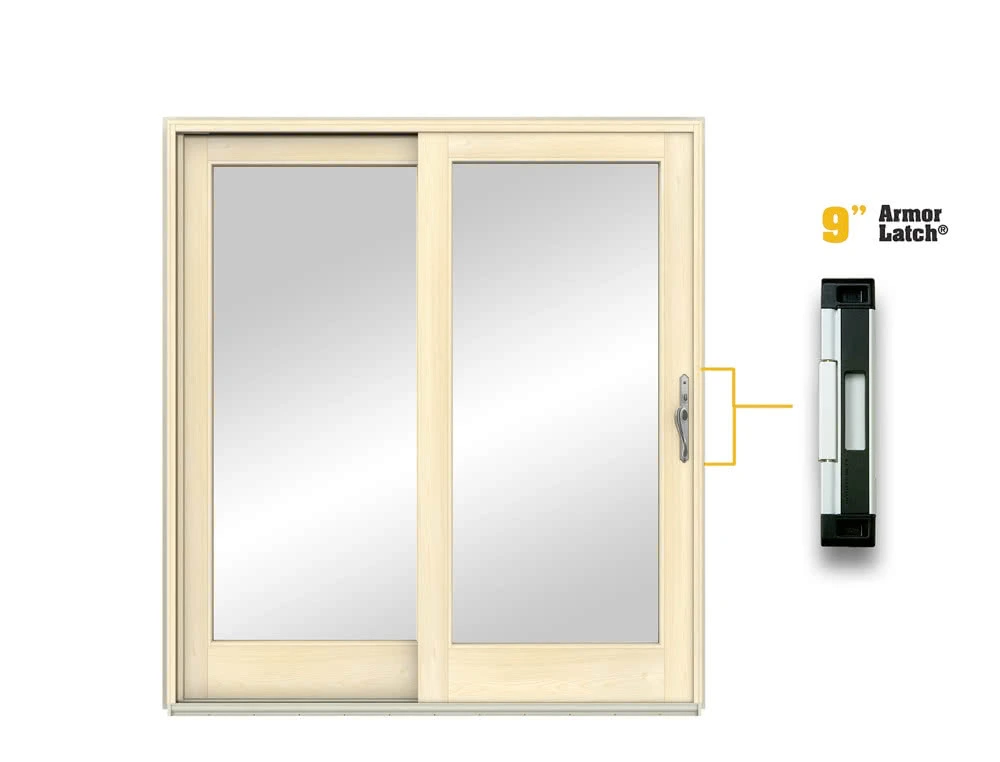
There are several ways to improve security around glass doors and windows. For sliding patio doors, consider installing the Door Armor Armor Latch Sliding Door Deadbolt, which helps prevent the door from being opened from the outside and adds another layer of protection against forced entry.
To strengthen the glass itself, apply Door Armor Clear Security Window Film. Unlike standard window tint, security film is designed to help hold shattered glass together when struck.
This makes it significantly more difficult for an intruder to create an opening large enough to enter your home quickly.
Using both products together creates a stronger defense by protecting both the locking mechanism and the glass.
Signs Your Door Needs Reinforcement
Not sure if your door is vulnerable? Here are some common warning signs that your entry door could benefit from reinforcement:
✔ The door frame has visible cracks.
✔ The strike plate feels loose.
✔ The door shifts when it's closed.
✔ The deadbolt sticks or doesn't align properly.
✔ The hinges are loose or rusted.
✔ There is a noticeable gap between the door and frame.
✔ The strike plate is secured with short screws.
✔ Your home still has the original builder-grade hardware.
If you notice one or more of these issues, now is a good time to strengthen your door before it becomes a security problem.
Fortunately, most of these vulnerabilities can be addressed without replacing your existing door.
The right door reinforcement products can dramatically improve your home's security while preserving the appearance of your entry door.
Build Layers of Protection
No single security product can stop every break-in. The safest homes don't rely on just one lock or one camera. Instead, they use multiple layers of protection that work together to slow down, discourage, or stop intruders altogether.
Think of home security like a chain. If one layer fails, another layer is there to protect your home. For the best results, consider combining several security upgrades:
✔ Door Armor MINI Plus or Door Armor MAX Plus to reinforce the door frame and lock area.
✔ Door Armor Hinge Shield to strengthen the hinge side of the door.
✔ Door Armor Pry Shield to help prevent prying attacks.
✔ Armor Latch Sliding Door Deadbolt to secure sliding glass doors.
✔ Door Armor Clear Security Window Film to strengthen glass near entry points.
✔ High-quality deadbolts and reinforced strike plates.
✔ Motion-activated exterior lighting.
✔ Video doorbells and security cameras.
✔ A monitored home security system.
Each layer makes your home a less attractive target.
Most burglars are looking for the easiest opportunity. The longer it takes to break into a home, the greater the chance they'll give up and move on.
Why Door Reinforcement Is Better Than Replacing Your Door
When homeowners think about improving home security, many assume they need to replace their entire front door.
In most cases, that's simply not true. The door itself is rarely the weakest part. More often, it's the frame, hinges, strike plate, or lock area that fails during a forced-entry attempt.
Replacing your entire door can cost thousands of dollars, and if the new door is installed into the same weak frame, you may not gain much additional protection.
Door reinforcement offers a smarter solution. Instead of replacing a perfectly good door, you strengthen the areas burglars attack most.
Benefits of door reinforcement include:
More affordable than replacing the entire door
Faster installation
Minimal disruption to your home
Long-lasting protection
Compatible with most residential entry doors
For homeowners looking to improve front door security without major renovations, door reinforcement provides one of the best returns on investment.
Small Upgrades Can Make a Big Difference
Many successful break-ins happen because of small weaknesses that homeowners never notice.
Loose hinges, short screws, weak strike plates, a cracked door jamb, and a gap large enough for a pry bar. Individually, these may seem like minor issues. Together, they can make your home an easy target.
Fortunately, fixing these vulnerabilities doesn't require rebuilding your entryway. Simple upgrades made today can help prevent costly damage and give you greater confidence that your family is protected.
Conclusion
Your front door is only as strong as its weakest part. While many homeowners focus on buying stronger locks, burglars often attack the areas surrounding the lock instead.
By reinforcing your door frame, strengthening the lock area, securing your hinges, protecting against prying, and reinforcing nearby glass, you can dramatically improve your home's security.
Door Armor products are designed to strengthen the exact areas burglars target most.
Whether you're protecting your family home, a rental property, or a multifamily community, reinforcing your doors is one of the smartest investments you can make.
A stronger door doesn't just protect your property. It protects the people behind it.
Frequently Asked Questions
What is the weakest part of a door?
For most residential doors, the weakest part is the door frame (door jamb). During a kick-in attempt, the frame often splits before the lock or door itself fails. Reinforcing the door frame is one of the most effective ways to improve home security.
Can a deadbolt stop someone from kicking in a door?
A deadbolt helps, but it's only as strong as the door frame and strike plate holding it in place. If the frame isn't reinforced, a burglar may still be able to force the door open.
How can I reinforce my front door without replacing it?
You can strengthen your front door by installing a door reinforcement kit, upgrading to longer screws, reinforcing the strike plate, securing the hinges, adding a pry shield, and reinforcing nearby glass with security window film.
Are door reinforcement kits worth it?
Yes. Door reinforcement kits provide an affordable way to strengthen the weakest parts of a door without replacing the entire entry door. They can significantly improve resistance against kick-ins and forced-entry attempts.
What is the best way to prevent a door kick-in?
The best protection comes from reinforcing the entire door system, including the door jamb, strike plate, hinges, and lock area. Combining door reinforcement with quality locks, exterior lighting, and security cameras creates multiple layers of protection against burglars.